Strategic Roadmap: From Display to Native Experiences
The Challenge:
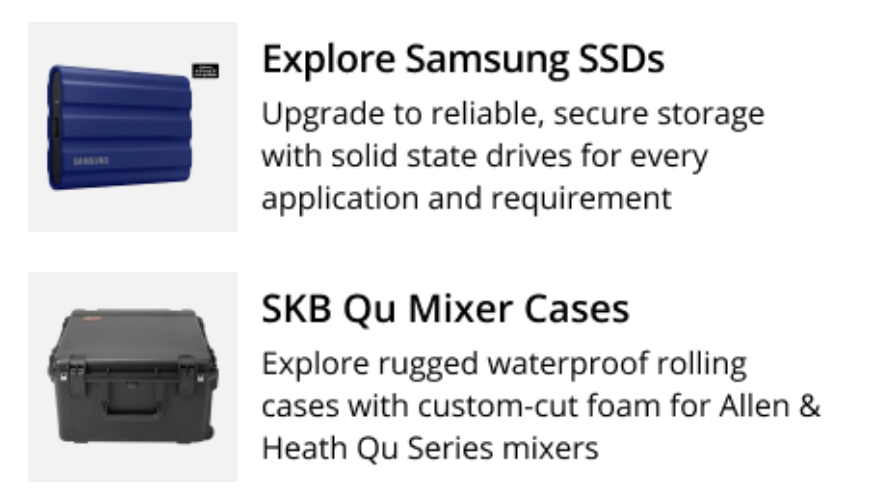
The existing ad inventory was limited to standard display banners, which often competed with the core shopping experience.
The Strategy:
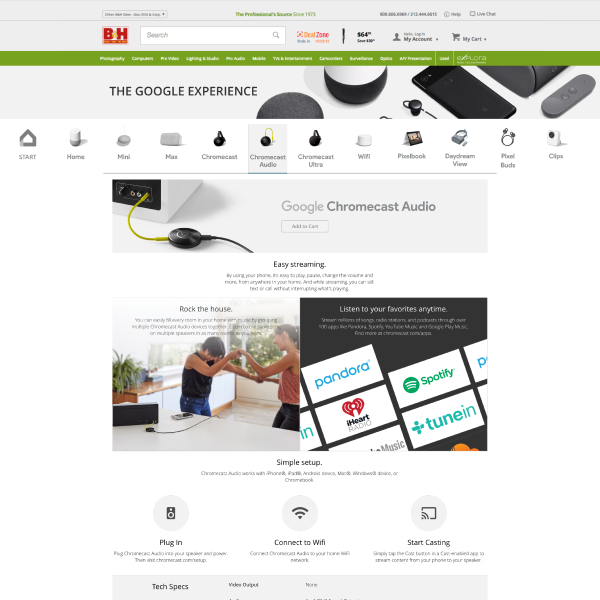
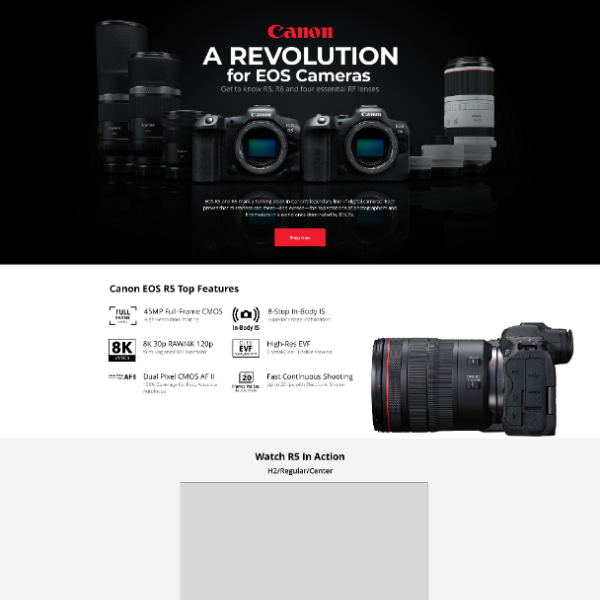
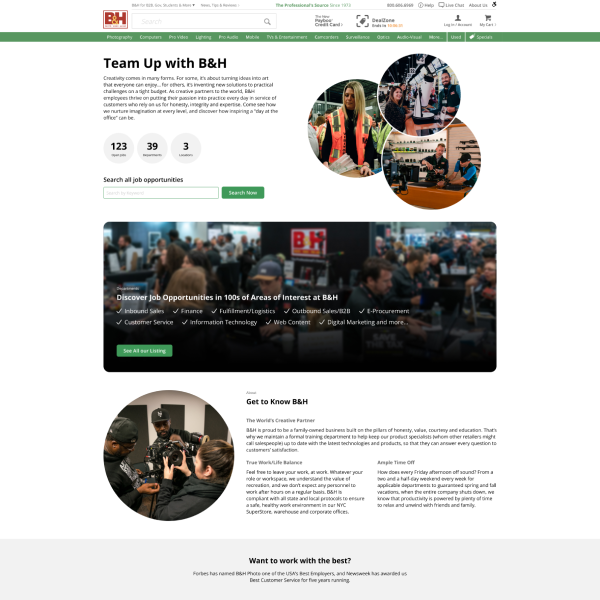
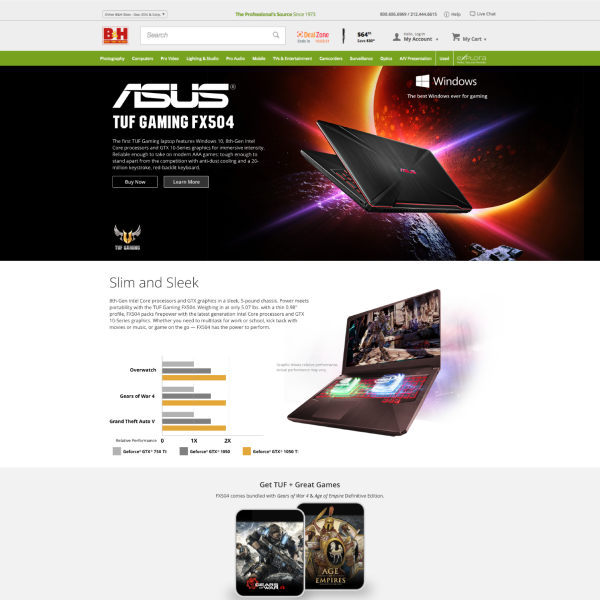
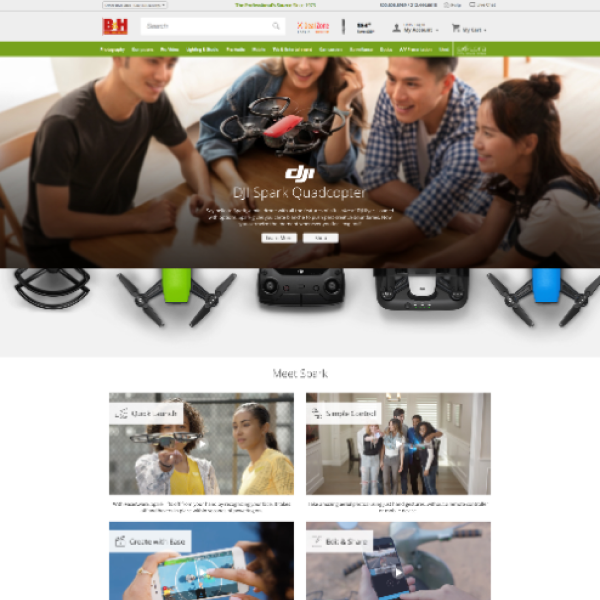
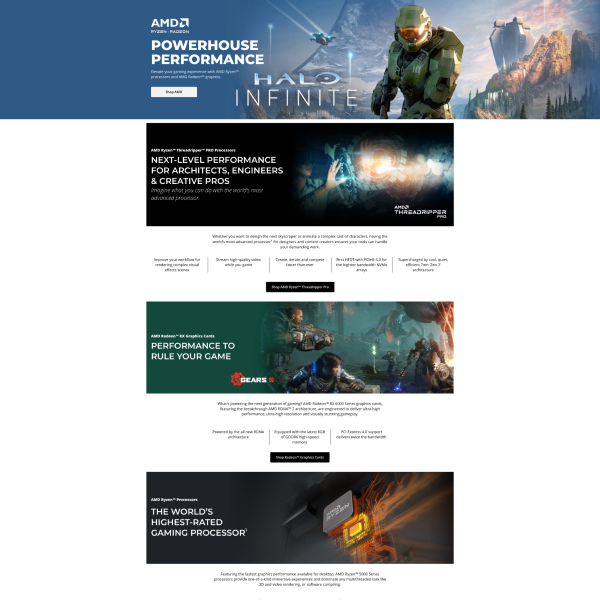
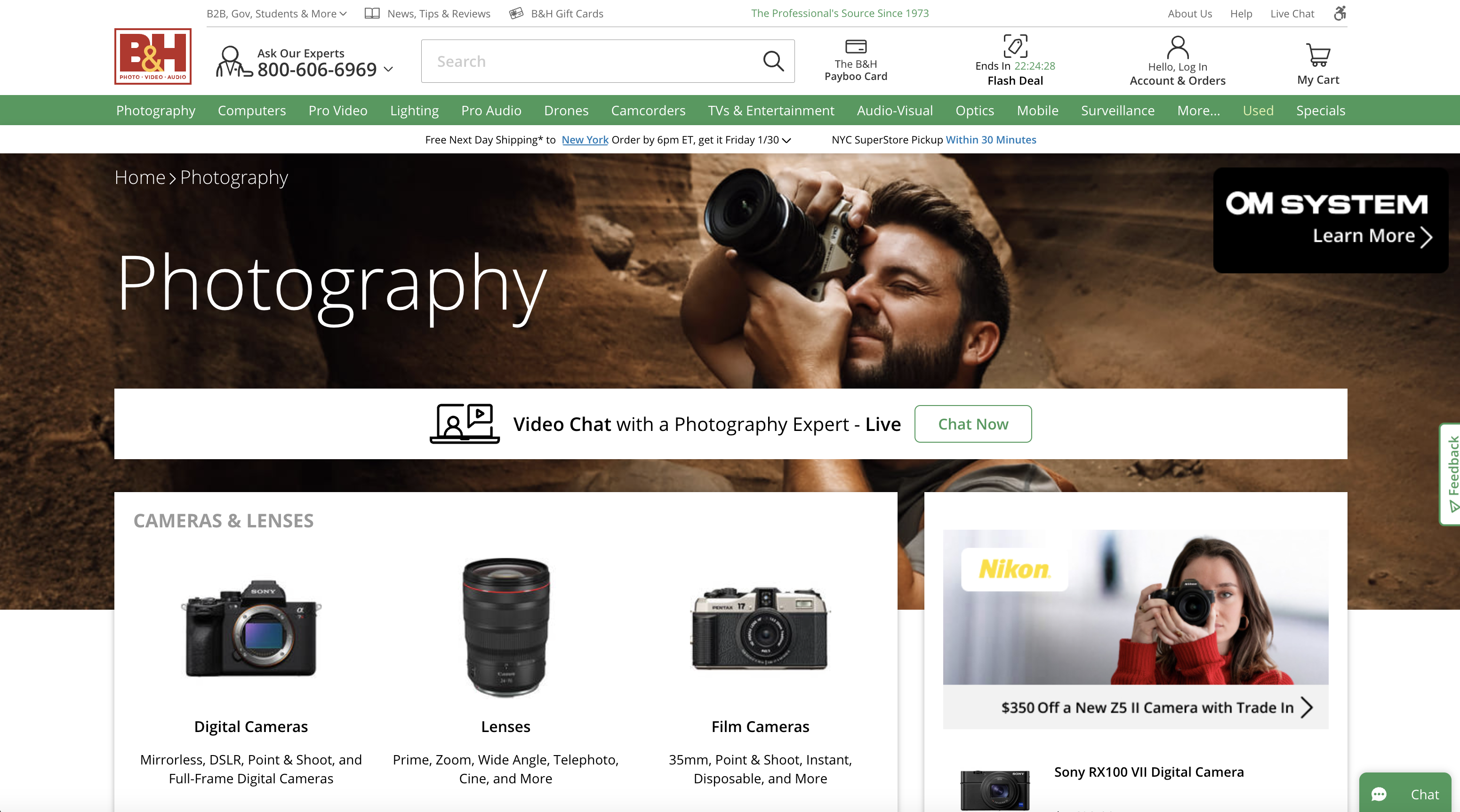
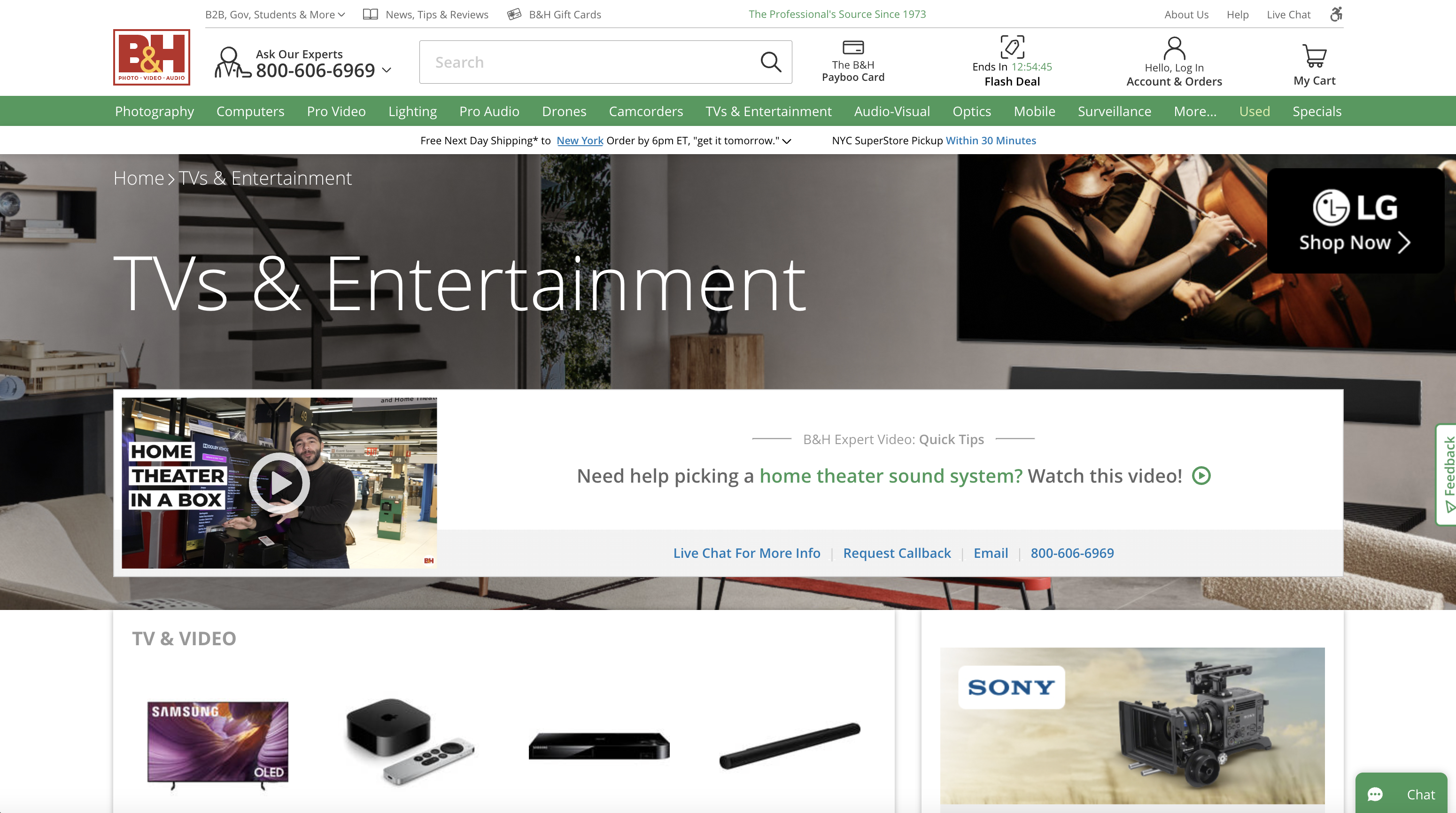
I drove a strategic shift from intrusive display ads to "native" ad experiences. I proposed and led the initiative to transform SEO brand pages into immersive brand destinations.
The Outcome:
This aligned advertiser goals with user intent, creating a seamless path for customers to discover products while increasing inventory value for our vendor partners.
Design Operations & Pipeline Management
Optimizing Workflows:
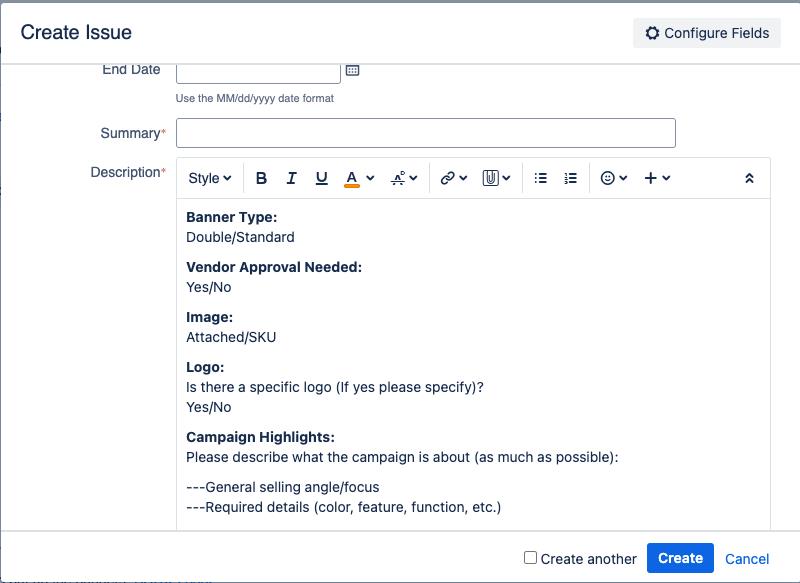
To support a high-volume design pipeline, I engineered a structured Jira workflow that enforced clear requirements upfront. This reduced "churn" (back-and-forth) and allowed the team to move from ambiguous requests to execution faster.
Resource Management:
I owned the intake and resource allocation for a team of five designers across multiple verticals (Heroes, Landing Pages, Events). By introducing sprint-based planning and ticket filtering, I ensured the team could deliver on critical business priorities even during peak seasons or resource-constrained periods (e.g., COVID).
Scalability via Systems:
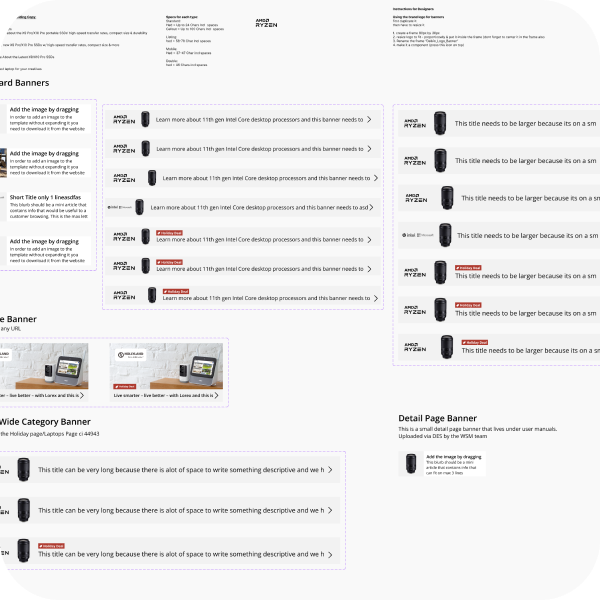
I built a library of reusable design templates for recurring marketing assets. This standardized the output quality and significantly increased our production capacity, allowing the team to scale operations without adding headcount.
Cross-Functional Leadership: The "Shield"
The Operational Challenge
Marketing requests often arrived as "content dumps"—unformatted text, missing links, and scattered assets dropped into a ticket without hierarchy. This ambiguity forced designers to spend valuable creative time chasing requirements rather than designing.
My Intervention
I established a strict "pre-design" protocol to protect the creative team's focus. I acted as the bridge, ensuring that before a designer opened a file:
Content Structuring: I translated raw marketing copy into prioritized content hierarchies (H1s, CTAs, Value Props), ensuring the information architecture made sense for the user before visual design began.
Asset Validation: I audited all incoming requests to ensure every link, product SKU, and brand asset was current and accessible.
Ambiguity was Removed: I resolved stakeholder questions upfront so designers had a clear path to execution.
Impact
Operational Efficiency: Reduced design cycle time by eliminating information gaps at the intake stage.
Scalability: Successfully delivered complex event campaigns involving 200+ distinct brands through rigorous program tracking.
Monetization & UX Balance: Evolved the ad experience from static banners to integrated, system-driven content that enhanced vendor trust and customer retention.
Program Highlight: Virtual Event Operations
(Note: Visuals unavailable as this program scaled into a dedicated department)
Project:
B&H Virtual Event Microsites (Optic, Depth of Field)
Role:
Lead Program Manager & content Strategist
The Scope:
I initiated and managed the operational framework for complex, multi-day virtual events involving live video streaming, dynamic scheduling, and multiple brand partners.
The Execution:
Live Operations: Successfully navigated high-velocity, late-breaking stakeholder requirements (e.g., changing speaker slots, updating live streams) without compromising site stability.
Program Growth: I established the initial intake and management processes for these events. The program proved so successful and grew so large in scope that it was eventually transitioned to a dedicated full-time role, a testament to the scalability of the workflow I designed.